
Laurence Laborie: Capturing What Cannot Be Seen

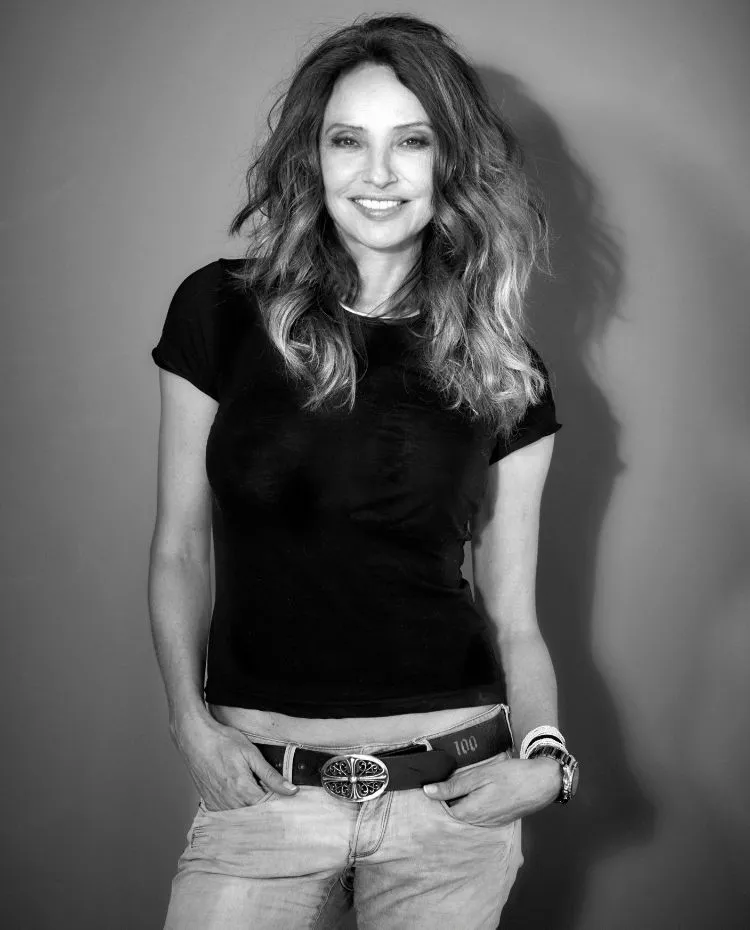
Laurence Laborie does not simply photograph faces or bodies. Through her work, she attempts to capture something far more delicate and rare: the feeling of human presence before it becomes an image. From fashion and beauty photography to portraits, boudoir, and photography in nature, her visual language maintains a unique balance between aesthetics and emotion.
With a background in engineering but a profoundly artistic sensibility, Laurence Laborie ultimately embraced photography not merely as a profession, but as a vocation. Her images avoid sterile perfection and instead search for something more human, instinctive, and emotionally honest. She describes photography as a “universal language” capable of transcending borders and time, while her connection to nature and the emotional world remains central to her creative vision.
At MenStatus, what interested us most was discovering the woman behind the lens. Not only discussing imagery itself, but also silence, intuition, sensitivity, and the subtle relationship between beauty and truth. In an era dominated by overstimulation and constant exposure, Laurence Laborie’s work feels like a quiet reminder that true aesthetics are not found on the surface, but in the emotional trace an image leaves behind long after we have looked away.
- Your photographs often feel more like emotional memories than captured moments. How do you recognize when an image truly has a soul?
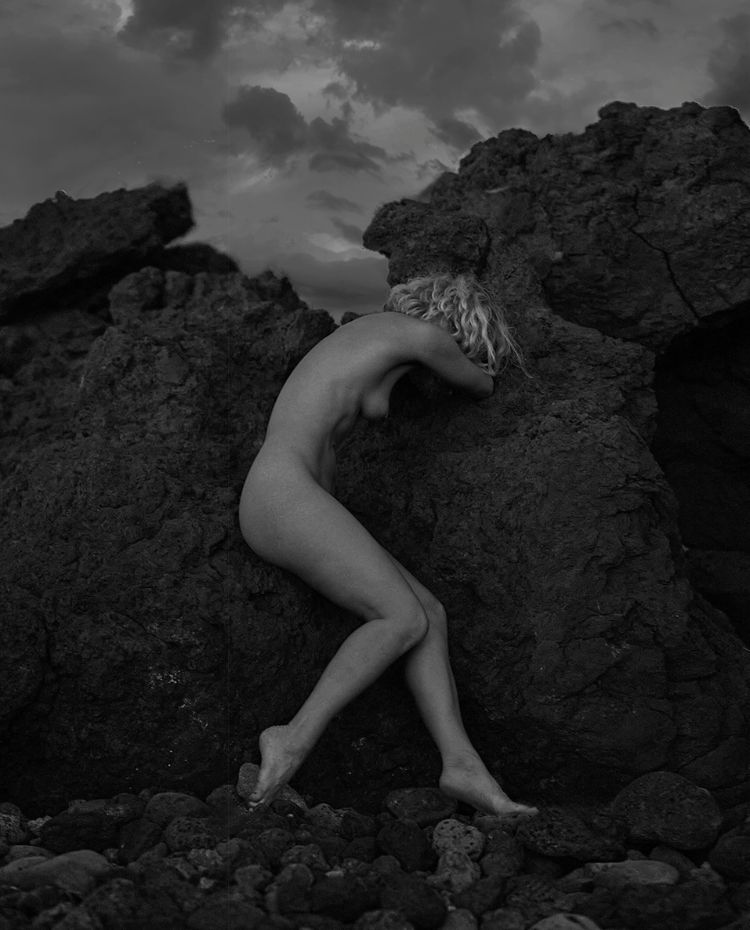
Between all the best I have edited during the day this is the one I still remember when I wake up in the morning. I find a divine meaning in this photography, and also a timeless feminine grace which God has enabled me to grasp. I see it as the embodiment of the spirit and energy I poured into the shoot, which is ultimately nothing more than the connection between two women souls, merging them into one.
- You have described nature as the ideal environment to explore body language. What can nature reveal about a person that a studio never could?
After spending many years exploring portrait photography in studios, I realised that whenever I wanted to photograph people full-length, they struggled to occupy the space, to let go of their inhibitions and find an elegant pose that would show their bodies to their best advantage. I needed a different setting that would put them more at ease.
Having grown up in a house surrounded by fields, I spent my days wandering through nature, where I felt safe, soothed by the birdsong, the wind on my skin, and all those sensory elements that take us away from our constant stream of thoughts and questions. From these childhood memories came the idea that i should explore this world so that my muses might be drawn into a sensory setting that speaks to the emotions of childhood—a time when we are not bound by all the conventions instilled in us.
This natural environment revealed the intuition that even a naked woman is capable of freeing herself from her thoughts to connect with her surroundings; she can then express both her strength and her vulnerability, her movements harmonising with this environment of freedom where all the senses are on the alert, where her hair blows in the wind, where her feet are hesitant, new sensations give rise to innate movements, and the soul reveals itself. It is a connection with Mother Nature, rather than that feeling of having to seduce, of expressing desire in front of a camera, this poetic approach is in keeping with my vision of sensuality, and it invites those who love women to immerse themselves in the absolute art that is Nature.
- In an age where everything demands immediate attention and fast consumption, how do you protect the calmness and sensitivity of your creative process?
I am gradually distancing myself from the hustle and bustle of social media and, at the same time, from consumerism, to nourish myself with what truly matters: long, contemplative moments in the forests and parks near my home, evenings brightened by the smiles of my family and the gentle souls of my friends. Finding ways to stop having to play a role has become vital, for in doing so we lose the light of our soul and, with it, our creativity, just as we must learn to protect ourselves from this flood of information that has nothing to do with us.
The human brain is not capable of being connected to more than a hundred other people, nor of constantly analysing the information now imposed upon it; it needs space to allow the imagination to flourish; without imagination, the mind darkens and then is lost. I have learnt to protect myself.
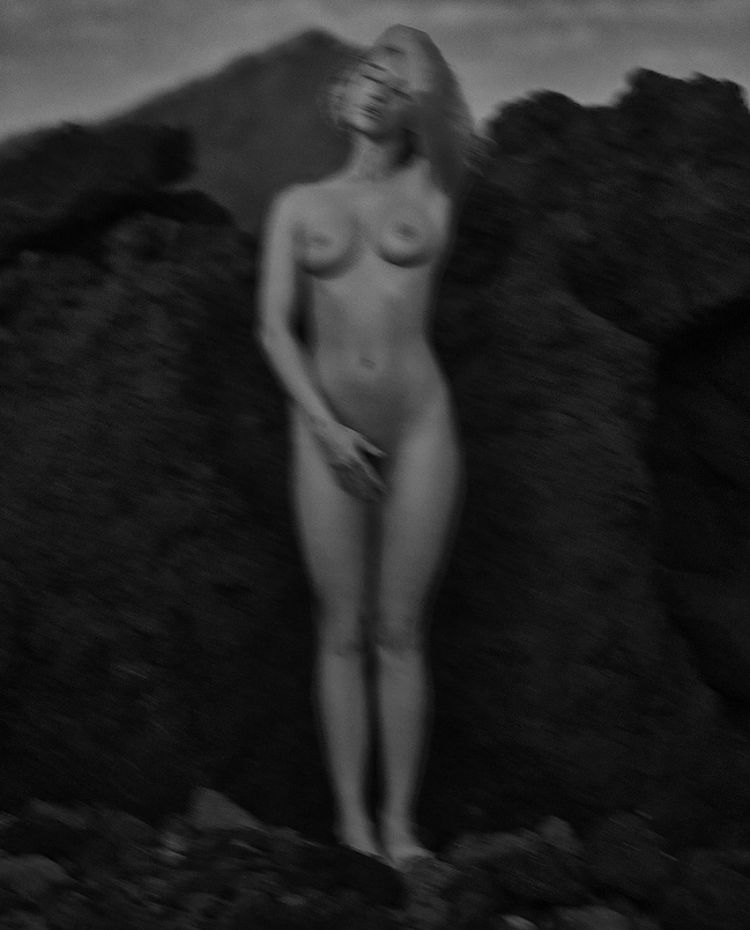
- Is there a photograph you consider technically imperfect, yet emotionally impossible to forget?
Yes, this nude I really love even if it’s not focused.
- Your work exists somewhere between beauty and vulnerability. Do you believe those two concepts are more deeply connected than we tend to admit?
I absolutely think so. Vulnerability is human and tender, whereas beauty is brutal and unattainable, the combination of the two is, in my view, what drives the feeling of desire to its peak, because it is completely detached from the notion of power and possession.
- If photography disappeared from your life tomorrow, what emotional language do you think would remain most essential for you to express yourself?
I think that if photography were to disappear from my life tomorrow, I would reconnect fully with nature by dedicating myself to its preservation. I love the ocean and feel the need to live near a beach, I would spend my time cleaning it of human waste, lulled by the sound of the waves. I’m also fascinated by the infinite delicacy of feathers, I’d create art from these works that have fallen from the sky.
- Did your engineering background ultimately influence the way you construct an image, or did photography become a way to escape structure entirely?
My engineering studies allowed me to quickly gain an understanding of how light reflects off different surfaces and the chemical and digital processes used to render it as images; but to become creative, one must go beyond the technical aspects and explore what the eye cannot see—that is where I find the appeal, and I would not have had the good fortune to discover it had I stayed on the path that had been laid out for me.
- What human quality moves you the most when photographing someone for the very first time?
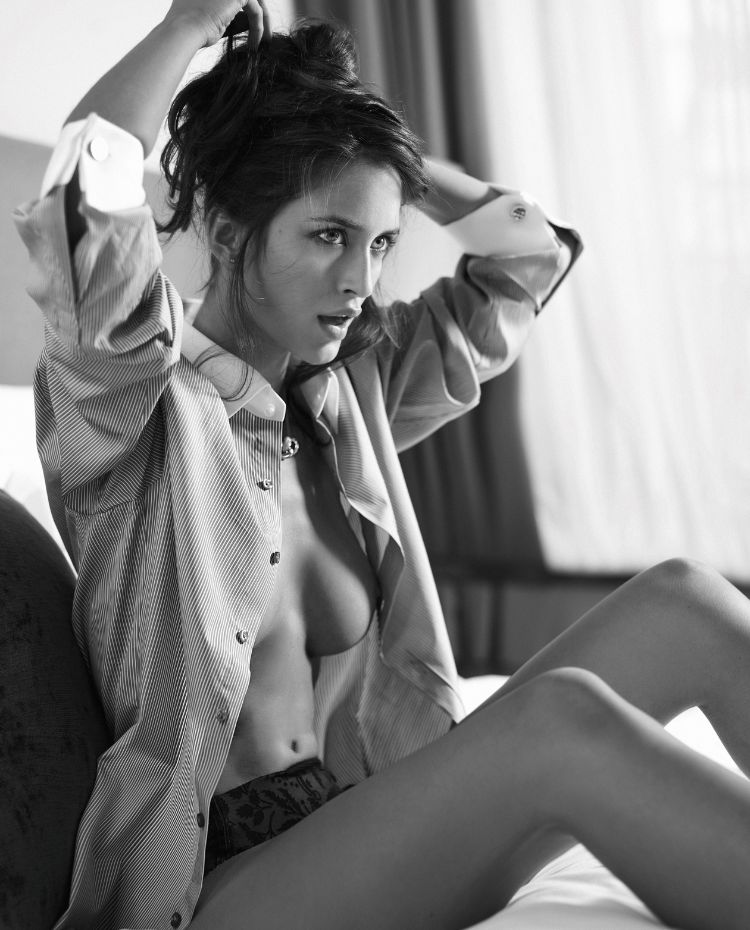
His vulnerability. He relies on me to convey my vision of him, and the trust needed for him to reveal to me what I see in him—once he’s in front of my lens—must be immediate, he must sense my own vulnerability in my spontaneity. I am an open book, and this allows me to quickly build a bond of trust with people I sense are kind-hearted.
- Many photographers today seem to chase style above all else. What do you believe makes an image genuinely timeless?
When it’s timeless, and words can’t do it justice. When it becomes a universal language.

- If someone could walk away from your work carrying only one feeling with them, what would you hope that feeling would be?
A sense of love for grace in its emotional aspect
Speaking with Laurence Laborie was a reminder that photography can be much more than the pursuit of a beautiful image. Through our conversation, what remained most striking was her sensitivity towards nature, human vulnerability and those invisible emotions that cannot always be explained, only felt.
We sincerely thank Laurence for sharing her thoughts, her vision and a small part of her artistic world with MenStatus.
For those who wish to discover her work further and bring a piece of her poetic visual universe into their own space, her photographs are now available for purchase through the art gallery:
Art Gallery Voûte
Interview by T.P.